
The Teacher's Guide to House Hacking: Buy a Home and Let Tenants Pay Your Mortgage
House hacking—renting out part of your home to cover mortgage payments—lets teachers build wealth while maintaining stable housing. By converting extra rooms or properties into rental units, educators can offset housing costs by 30-70% annually, creating a passive income stream that compounds over decades of career growth.
What is House Hacking and How Does It Work for Educators?
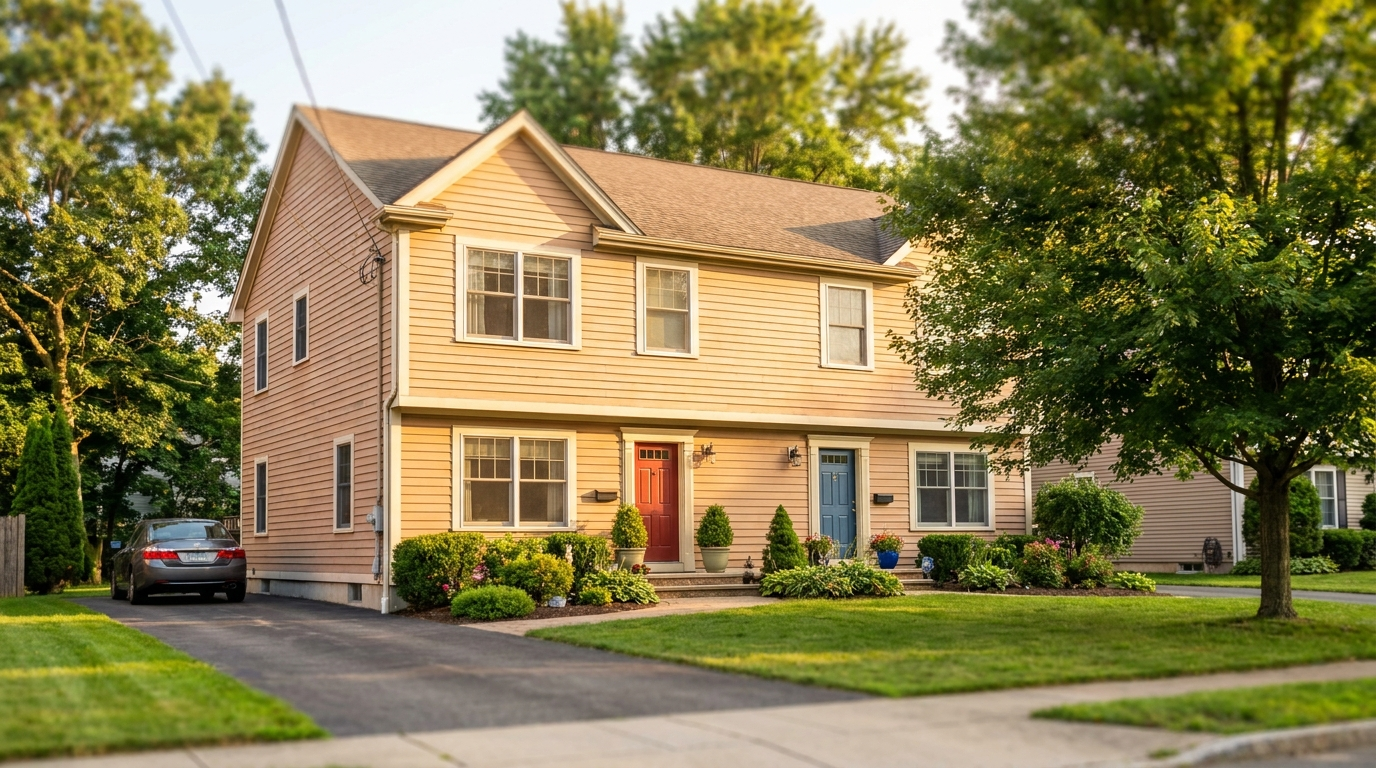
House hacking means purchasing a property and renting out portions to tenants while you occupy the primary residence. Teachers benefit from stable incomes and predictable schedules, making them ideal landlords. You buy a duplex, rent one side; own a single-family home, rent the basement suite; or purchase a fourplex and occupy one unit. Your tenants' rent deposits directly offset your mortgage, property taxes, and insurance—sometimes covering 100% of housing costs.
Why Should Teachers Embrace This Real Estate Strategy?
Teachers earn modest but reliable salaries, yet face rising housing costs in desirable school districts. House hacking transforms this disadvantage into an asset. According to the National Association of Realtors, 42% of first-time homebuyers now use gift funds or creative financing—house hacking eliminates this dependency. You build equity while renting, enjoy tax deductions on mortgage interest and repairs, and create a wealth-building vehicle that pension plans alone cannot match. After 5-10 years, you've built substantial equity and can refinance or purchase additional properties.
What Property Types Work Best for Teacher House Hackers?
The optimal strategy depends on your market and comfort level. Duplexes and triplexes provide natural separation between your space and tenants. Fourplexes multiply rental income across four units. Single-family homes with accessory dwelling units (ADUs) or basement apartments suit teachers wanting closer tenant management. Before purchasing, check your credit score at MyFreeScoreNow to secure favorable lending rates—this simple step can save $30,000+ over your mortgage's life.
How Much Can Teachers Earn Through House Hacking?
| Property Type | Initial Investment | Monthly Rent Collected | Monthly Mortgage/Costs | Net Monthly Cash Flow |
|---|---|---|---|---|
| Duplex (one unit rented) | $320,000 | $1,500 | $1,400 | $100 |
| Triplex (two units rented) | $380,000 | $3,000 | $1,800 | $1,200 |
| Single-Family + ADU | $400,000 | $1,800 | $1,500 | $300 |
| Fourplex (three units rented) | $450,000 | $4,500 | $2,100 | $2,400 |
What Financing Options Exist for Teacher House Hackers?
FHA loans allow 3.5% down payments on owner-occupied multifamily properties up to four units—perfect for house hacking. Conventional loans require 5-20% down. Consider using Monarch's financial planning tools to optimize your down payment strategy and refinancing timeline. Some lenders offer teacher-specific programs with reduced closing costs. VA loans (for military-serving spouses) provide zero-down options. After securing financing, your tenants' deposits begin reducing your actual out-of-pocket housing expense immediately.
What Common Challenges Should Teachers Anticipate?
Tenant screening and turnover represent the largest challenges. Teachers often avoid evictions due to moral discomfort, so invest in thorough background checks and clear lease agreements from day one. Maintenance surprises—roof repairs, HVAC failures—require an emergency fund (3-6 months of expenses). Vacancies happen; budget conservatively. Local rent control laws and landlord-tenant regulations vary dramatically by state, so consult a property manager or real estate attorney before purchasing.
Frequently Asked Questions
Q: Can I claim rental income deductions against my W-2 teacher salary?
A: Yes. Deductible expenses include mortgage interest, property taxes, utilities, insurance, repairs, and property management fees. However, depreciation (a non-cash deduction) may create passive-income limitations. Consult a tax professional to maximize deductions.
Q: How long until house hacking generates true passive income?
A: Typically 5-10 years. Initial years focus on paying down principal and building equity. Once the mortgage drops below rental income by 30%+, cash flow increases substantially. Refinancing or acquiring additional properties accelerates wealth building.
Q: What if I'm transferred to a different school district?
A: Your rental property becomes a pure investment. Either manage remotely (using property managers) or sell and leverage equity for your next purchase. Many teachers operate 2-3 properties across different markets for portfolio diversification.
Ready to build wealth through house hacking? Teachers possess the income stability and credit discipline that lenders love. Start today: check your credit score for free, explore local duplex and triplex listings in school districts where you work, and consult a real estate agent specializing in multifamily properties. Your future retired self will thank you.
Ready to take the next step?
Try the tool from this post — or talk strategy with the ShiftRich team.
Book a Free Strategy Call →